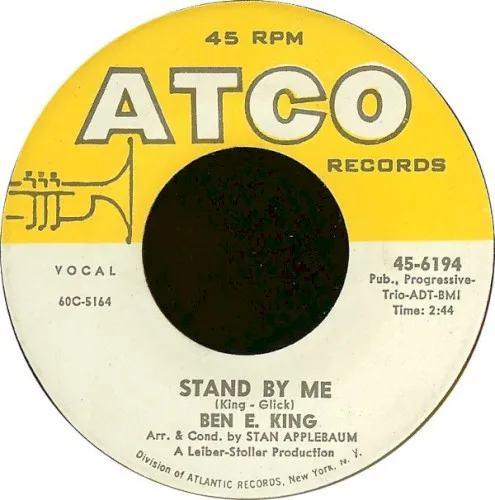
Why this song
Stand by Me is the cleanest beginner four-chord workout there is. The original recording is in A major, but with a capo on fret 2 you can play the same song using the friendlier G, Em, C, D shapes. The progression repeats the entire way through. Verse, pre-chorus, chorus, all the same loop. There is no tricky bridge, no key change, no surprise barre chord.
If you can switch between the four chords used here cleanly, you can already play this song.
How to practice it
Tune up, put the capo on fret 2, and start the metronome above at 118 BPM. The original feels like it sits more on the laid-back side of that tempo, so don’t worry if 118 feels a hair fast at first. Drop it to 100, get the changes clean, then bump it up by five every couple of minutes.
The strumming pattern most beginners settle on is down-down-up-up-down-up per bar. Try counting “one and two and three and four and” out loud. The down strums land on the numbers, the ups on the “ands.” Once your hand finds it, the pattern locks in and you stop thinking about it.
Common snags
The only change in this progression that catches beginners is C to D. They share no fingers, so for a beat your hand has to lift completely. Practice that switch in isolation: hold a clean C, lift, place D, strum, switch back. Twenty reps a day for a week and it stops feeling like two separate moves.
If your D buzzes on the high E string, you’re probably catching it with your middle finger. Curl that knuckle a touch more so the finger lands more vertically.
When you have it
Loop the four chords against a recording of the song. Don’t worry about exactly matching the bassline or background vocals. Your job is just to keep the changes clean and the strum steady. After a week, drop the capo and try the whole thing in G major. Same shapes, lower pitch, slightly different feel. Both versions are useful to know.
If you want more beginner songs in this same chord vocabulary, our list is grouped by exactly which shapes a song needs.
Cover via coverartarchive.org · Stand by Me